


 English
 Spanish
 French
 German
 Italian
 Chinese (Simplified)
 Japanese
 Korean
 Arabic
 Portuguese
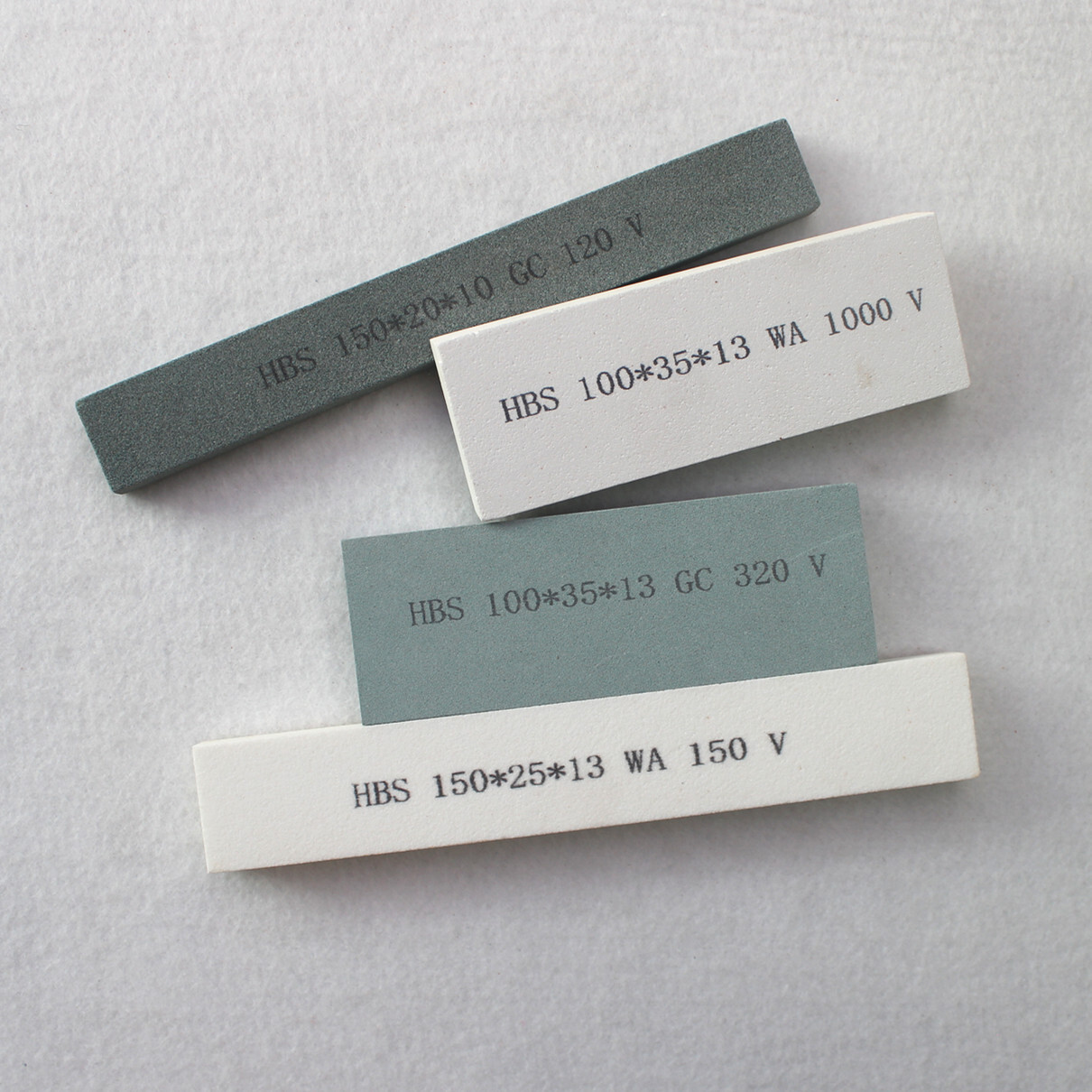
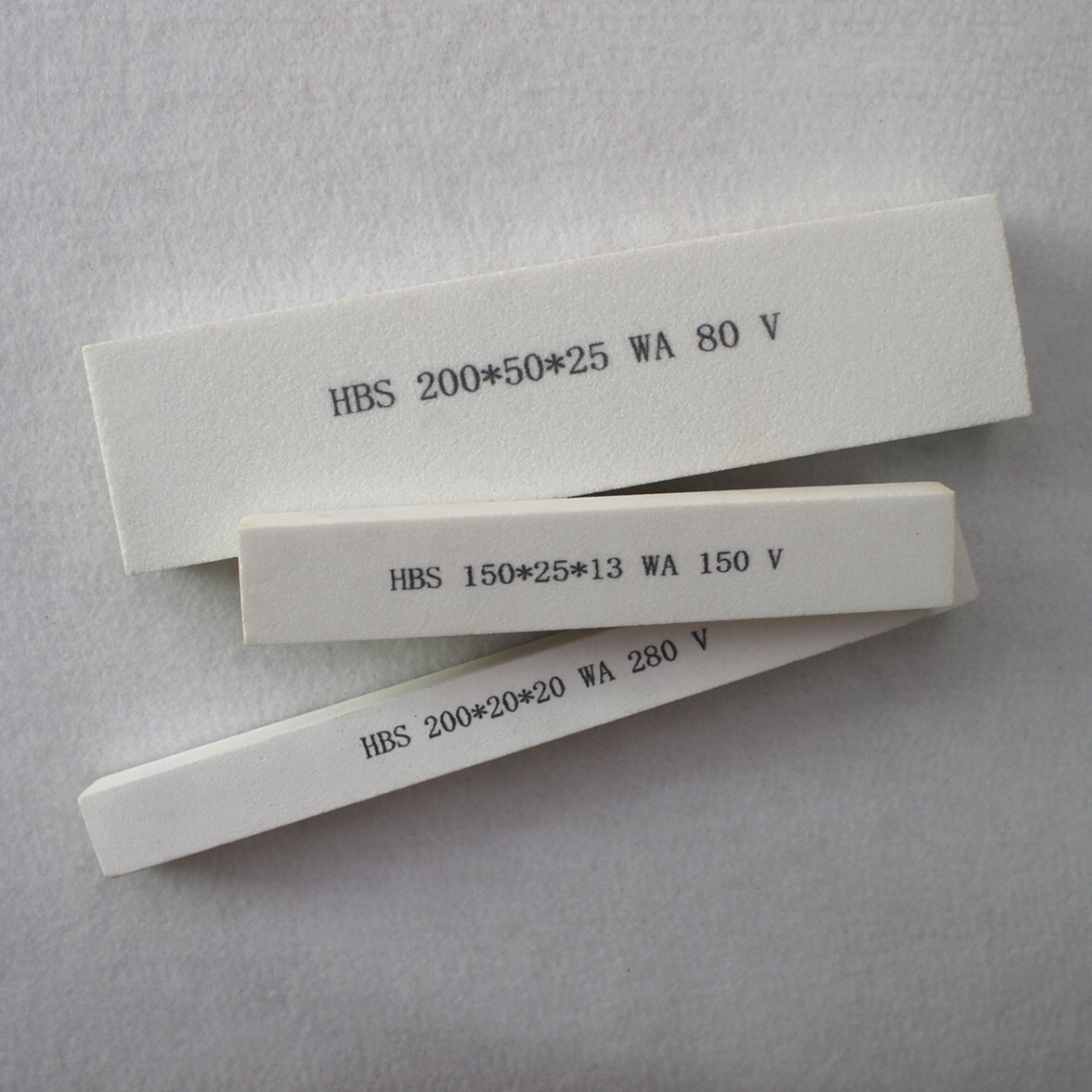
Rough Grinding Stones
0.3 USD ($)/Piece
Product Details:
- Shape Rectangular / Block / Strip
- Backing None (solid stone)
- Toughness High
- Bonding Vitrified / Resin Bond
- Chemical Composition Al2O3 / SiC, binders, additives
- Hardness Medium to Hard
- Grain Type Coarse
- Click to View more
X
Rough Grinding Stones Price And Quantity
- 0.3 USD ($)/Piece
- 300 Piece
Rough Grinding Stones Product Specifications
- Medium to Hard
- None (solid stone)
- High
- Rectangular / Block / Strip
- Al2O3 / SiC, binders, additives
- Aluminum Oxide / Silicon Carbide
- Vitrified / Resin Bond
- As per requirement, typically 25 mm x 200 mm
- Rough Grinding Stone
- 24 Grit to 120 Grit
- Customizable, standard widths 50 mm to 250 mm
- Coarse
- Up to 600C
- Rough
- Grey / Black / Brown
- Long (depends on application)
- Deburring, heavy stock removal, surface preparation
- Yes, suitable for wet and dry grinding
- 35 m/s
- 2.53.2 g/cm
Product Description
Brief introduction:
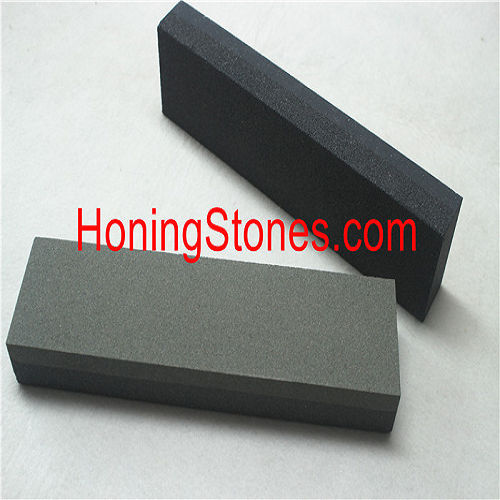
As a general sharpening stone, the rough grinding stone is widely used in daily life like woodworking tools, kitchen cutlery and other outdoor knives. Combination grit type is more popular for you could use coarse side first to remove most stock and make final finishing with the fine side, the work process will be slow if the fine side is directly applied in the beginning.
Specifications of rough grinding stone:
|
Single grit rough grinding stones |
||
|
Size(mm) |
Abrasives |
Grit |
|
150 x 50/75 x 25 |
A, WA, C, GC |
#80-120 |
|
200 x 50 x 25 |
||
|
Combination grit rough grinding stones |
||
|
Size(mm) |
Abrasives |
Grit |
|
150 x 50/75 x 25 |
A/A, A/WA |
#80/#120 #120/#150 |
|
200 x 50 x 25 |
||
Features of rough grinding stone:
1. Superior materials are used in sharpening stones manufacturing, good apperance and grit
2. Wide range for grit and size choosing
3. Consistent quality as samples
4. Factory direct supply ensures best price
5. Professional after sale service.
6. OEM supported
Engineered for Heavy-Duty Grinding
Our Rough Grinding Stones are optimized for tough industrial tasks like deburring and removing large amounts of material. With a choice of aluminum oxide or silicon carbide, and grain sizes ranging from 24 to 120 grit, these stones deliver aggressive grinding performance without sacrificing longevity or resilience.
Versatile and Customizable
Available in a range of shapes, sizes, and widths, the stones can be tailored to fit specific machinery and applications. Standard rolls are between 50 mm to 250 mm wide, with strips commonly sized at 25 mm x 200 mm. Whatever your grinding requirements, customization ensures the perfect fit and finish every time.
Designed for Endurance and Safety
Thanks to superior heat resistance (up to 600C) and water repellency, these grinding stones perform consistently under the most rigorous wet or dry conditions. Medium-to-hard hardness, high toughness, and no backing maximize both durability and safety during operation at speeds up to 35 m/s.
FAQ's of Rough Grinding Stones:
Q: How should Rough Grinding Stones be used for optimal deburring and stock removal?
A: For best results, select the appropriate grit size and bond type for your material, mount the stone securely on your equipment, and operate at recommended speeds (up to 35 m/s). Apply moderate, steady pressure, allowing the stone to do the work without forcing it, to efficiently remove burs or stock.Q: What types of materials are compatible with these Rough Grinding Stones?
A: These stones are designed to work with a wide range of metals and alloys, including steel, cast iron, and hard non-ferrous metals. The combination of aluminum oxide or silicon carbide and coarse grit ensures aggressive material removal on tough surfaces.Q: When is it recommended to use wet grinding versus dry grinding with these stones?
A: Wet grinding helps reduce heat and dust, preserving the workpiece and extending the stone's lifespan, particularly during prolonged or high-intensity grinding. Dry grinding can be chosen for convenience or where water is unavailable, as these stones are engineered for both methods.Q: Where can I order customized sizes or shapes for specific machinery requirements?
A: Custom orders can be placed directly with us as the manufacturer, supplier, or distributor. Stones can be tailored in block, strip, or rectangular shapes, with size and grain specification options to meet your unique industrial needs.Q: What advantages do these grinding stones offer over conventional alternatives?
A: These stones offer higher heat resistance (up to 600C), superior toughness, and a longer service life. The ability to use them in wet or dry conditions, combined with customizable sizes and high-speed capability, delivers flexibility and efficiency for heavy-duty industrial processes.Q: How does the bonding type affect the grinding performance?
A: Vitrified bonds provide exceptional rigidity and dimensional stability, making them ideal for precision and heavy-duty applications. Resin bonds impart a degree of resilience and shock absorption, beneficial for handling irregular shapes and reducing the risk of fracture during operation.Tell us about your requirement

Price:
Quantity
Select Unit
- 50
- 100
- 200
- 250
- 500
- 1000+
Additional detail
Mobile number
Email

Other Products in 'Sharpening Stone' category


ISHARP ABRASIVES TOOLS SCIENCE INSTITUTE
Contact Details

- A-2507, Kai Xuan Men, Tong Bai Nan 238#, Zhengzhou - 450006, Henan, China
- Phone : 86-371-63716933
- Mr. Sam Zhang
- Mobile : +8613603714080, +8618639010052
 Send Inquiry

ISHARP ABRASIVES TOOLS SCIENCE INSTITUTE
All Rights Reserved.(Terms of Use)
Developed and Managed by Infocom Network Private Limited.
Developed and Managed by Infocom Network Private Limited.
