


 English
 Spanish
 French
 German
 Italian
 Chinese (Simplified)
 Japanese
 Korean
 Arabic
 Portuguese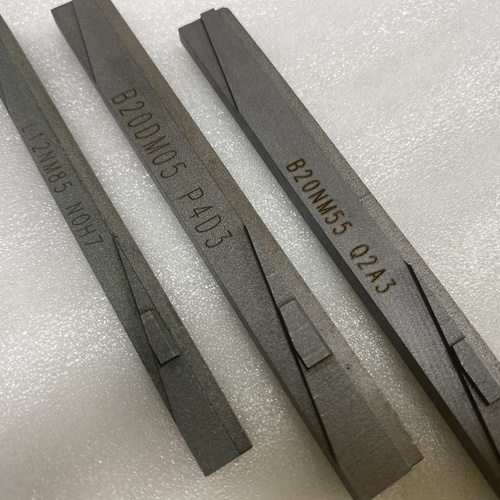
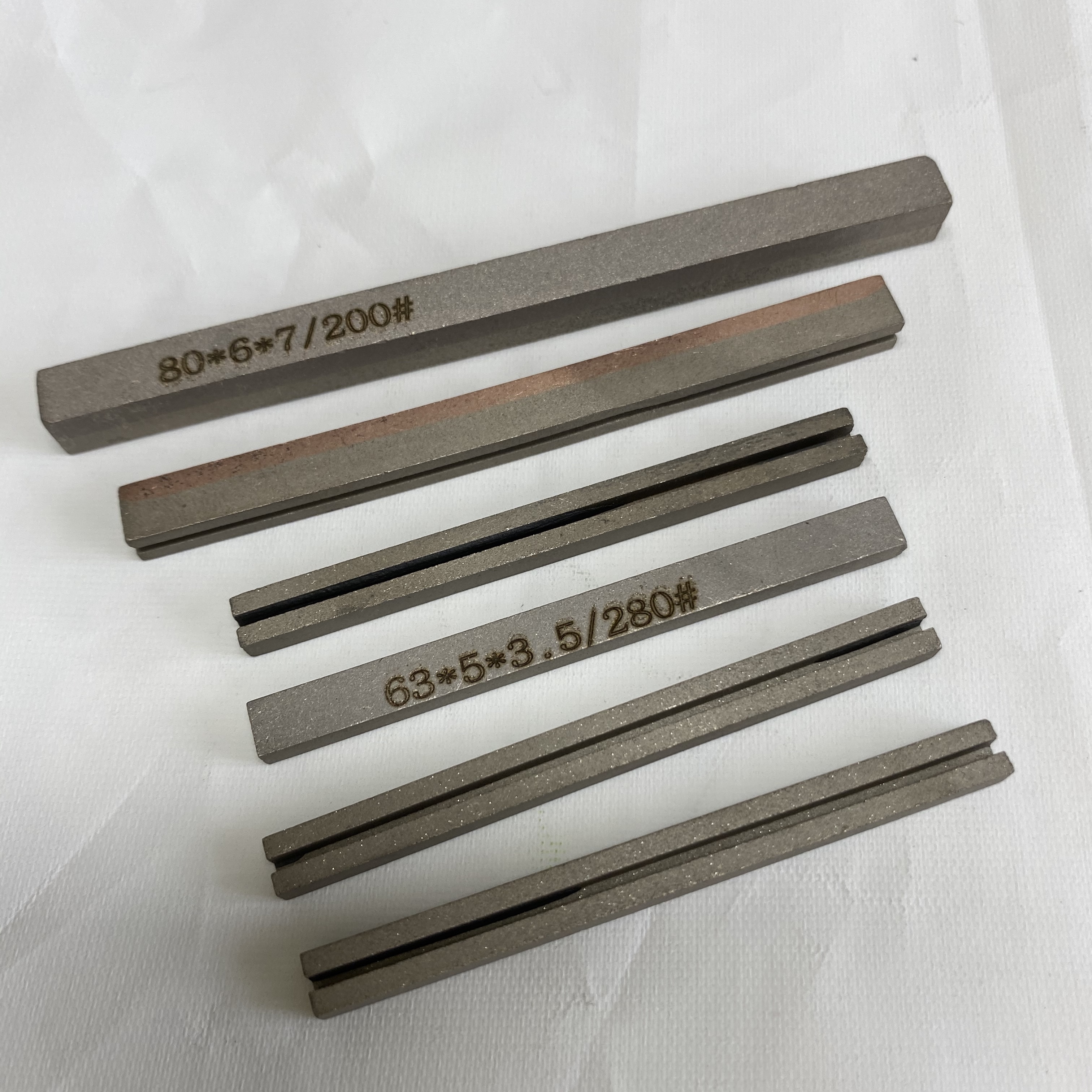
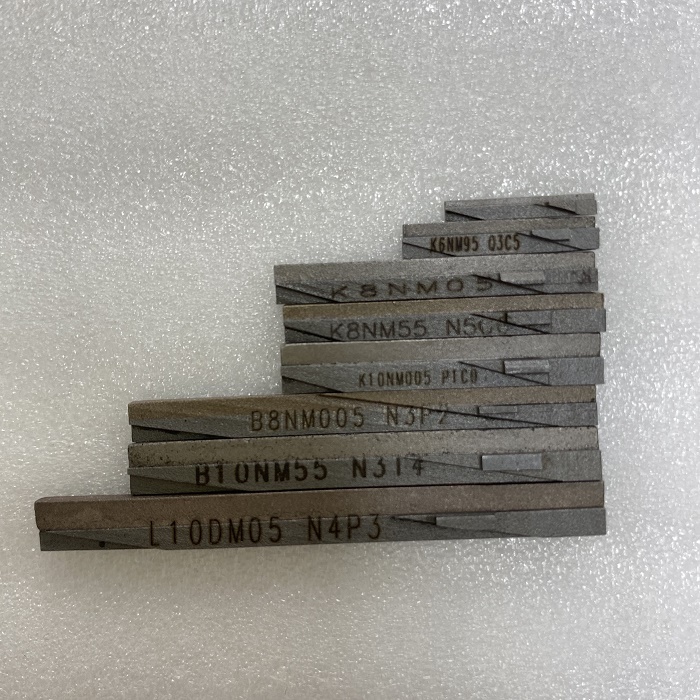
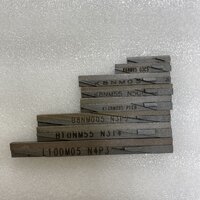
25/35mm Diamond Honing Stone
0.5 USD ($)/Piece
Product Details:
- Shape Rectangular
- Chemical Composition Diamond (C), metallic binder
- Hardness Up to 9.5 Mohs
- Bonding Metal Bonded
- Backing Steel or carbide base
- Toughness High impact and abrasion resistance
- Grain Type Monocrystalline diamond
- Click to View more
X
25/35mm Diamond Honing Stone Price And Quantity
- 0.5 USD ($)/Piece
- 20 Piece
25/35mm Diamond Honing Stone Product Specifications
- High impact and abrasion resistance
- Steel or carbide base
- Diamond (C), metallic binder
- 200 mm x 25 mm x 6 mm
- High-quality synthetic diamond
- Metal Bonded
- Honing Stone
- Rectangular
- Available from 80 mesh to 2000 mesh
- Customizable to application
- Up to 9.5 Mohs
- Monocrystalline diamond
- Resinoid and vitrified options upon request
- Individual blister pack with anti-rust protection
- Suitable for horizontal & vertical honing machines
- 0.5 mm 2.0 mm
- Extended lifespan for large batch processing
- Up to 500C
- 30 m/s
- Engineered low porosity for consistent cutting
Product Description
The CBN engine cylinder honing stones polishing stones are made of synthetic diamond and metal powder through the process of mixing, pressing, sintering, and grinding. High grinding efficiency, small wearing, economic, and convenient to use.The engine cylinder diamond honing stone grinding stone manufactured is suitable for rough honing, plateau honing, slide honing, helical slide honing, etc. The cross hatches after the honing process will meet the automobile emission requirements of China 5, China 6, and Euro 5 Euro 6, making more efforts for decarbonizing targets.
Versatile Performance for Critical Applications
These diamond honing stones are ideal for precision machining in the automotive, hydraulic, and industrial sectors. Engineered for use at high temperatures and speeds, they offer superior wear resistance and consistent honing results, making them a preferred choice for both horizontal and vertical honing machines. Suitable for custom cylinder diameters and different grit specifications.
Advanced Material Composition and Design
Constructed from high-quality synthetic monocrystalline diamond, the stones deliver exceptional hardness and toughness. The metallic bonded structure ensures stability, while the engineered low porosity enhances both performance and surface finish consistency. Custom sizes and grit options allow for precision adaptation to specific industrial processes.
FAQ's of Diamond honing stone:
Q: How do I choose the appropriate grit size for my diamond honing stone application?
A: Select the grit size based on the required finish and the material of your workpiece. Coarse grits (80-200 mesh) are suitable for rapid material removal, while finer grits (up to 2000 mesh) deliver a smoother surface for precision applications, such as finishing hydraulic or automotive cylinders.Q: What is the process for using a diamond honing stone in batch cylinder honing?
A: Install the honing stone in a compatible horizontal or vertical honing machine. Set the appropriate speed (up to 30 m/s) and temperature controls (up to 500C). Use consistent coolant flow and follow your standard honing parameters. The stone's engineered low porosity ensures uniform cutting and long-lasting performance throughout large batch operations.Q: When should I replace the diamond honing stone?
A: Replace the honing stone when you notice significant wear, reduced cutting efficiency, or uneven finishes on your parts. The extended service life supports large-scale processing, but regular inspection after each batch is recommended to maintain precision and quality.Q: Where can these diamond honing stones be used?
A: They are widely used in the automotive, hydraulic, and general industrial sectors for honing cylinder bores. Suitable for factories, repair workshops, and high-volume manufacturing plants that require consistent, high-quality finishes on metal surfaces.Q: What benefits does a metal bonded, low porosity diamond honing stone offer?
A: The metal bonding provides exceptional durability and stability, supporting high impact and abrasion resistance. Engineered low porosity ensures consistent cutting action, reduces the risk of glazing, and improves heat dissipation, resulting in longer tool life and better finish uniformity.Q: How is the diamond honing stone packaged for shipping and storage?
A: Each honing stone is individually blister-packed with anti-rust protection, ensuring safe transport and storage while preserving tool integrity and chemical composition.Tell us about your requirement

Price:
Quantity
Select Unit
- 50
- 100
- 200
- 250
- 500
- 1000+
Additional detail
Mobile number
Email

Other Products in 'Sharpening Stone' category


ISHARP ABRASIVES TOOLS SCIENCE INSTITUTE
Contact Details

- A-2507, Kai Xuan Men, Tong Bai Nan 238#, Zhengzhou - 450006, Henan, China
- Phone : 86-371-63716933
- Mr. Sam Zhang
- Mobile : +8613603714080, +8618639010052
 Send Inquiry

ISHARP ABRASIVES TOOLS SCIENCE INSTITUTE
All Rights Reserved.(Terms of Use)
Developed and Managed by Infocom Network Private Limited.
Developed and Managed by Infocom Network Private Limited.
